Authorization Timing Strategies for Multi-Vendor Event Sales Platforms
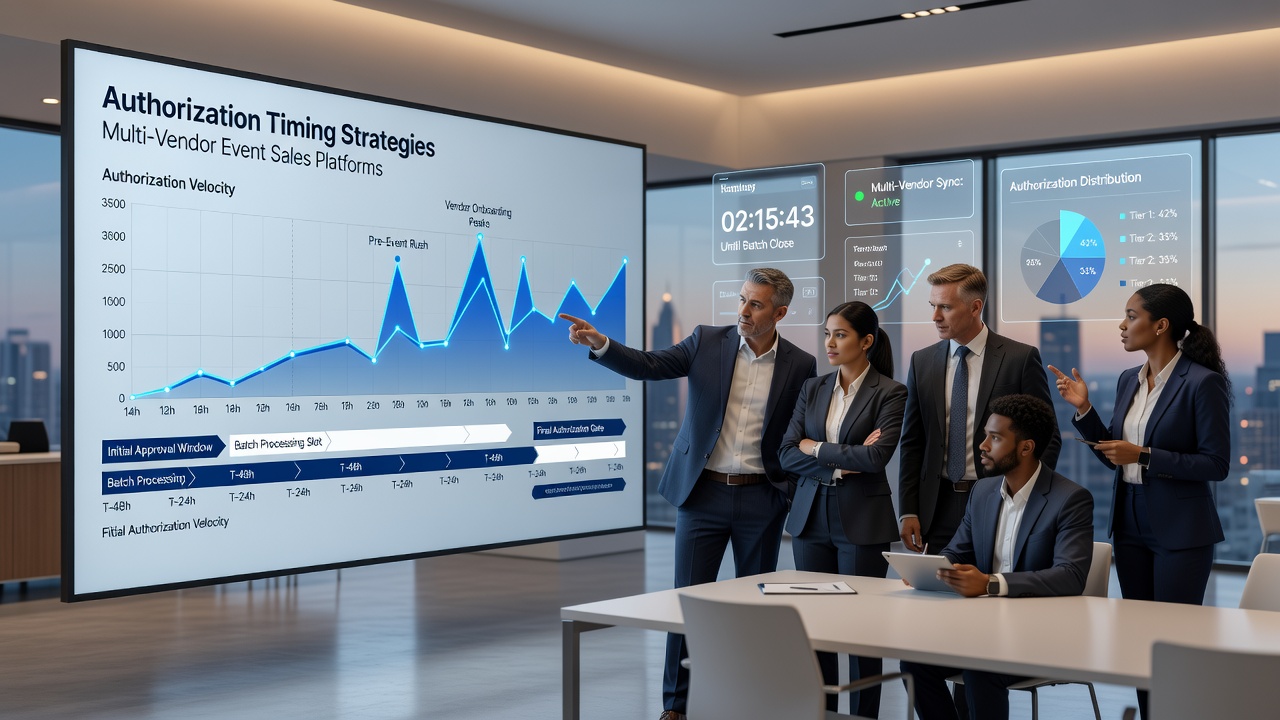
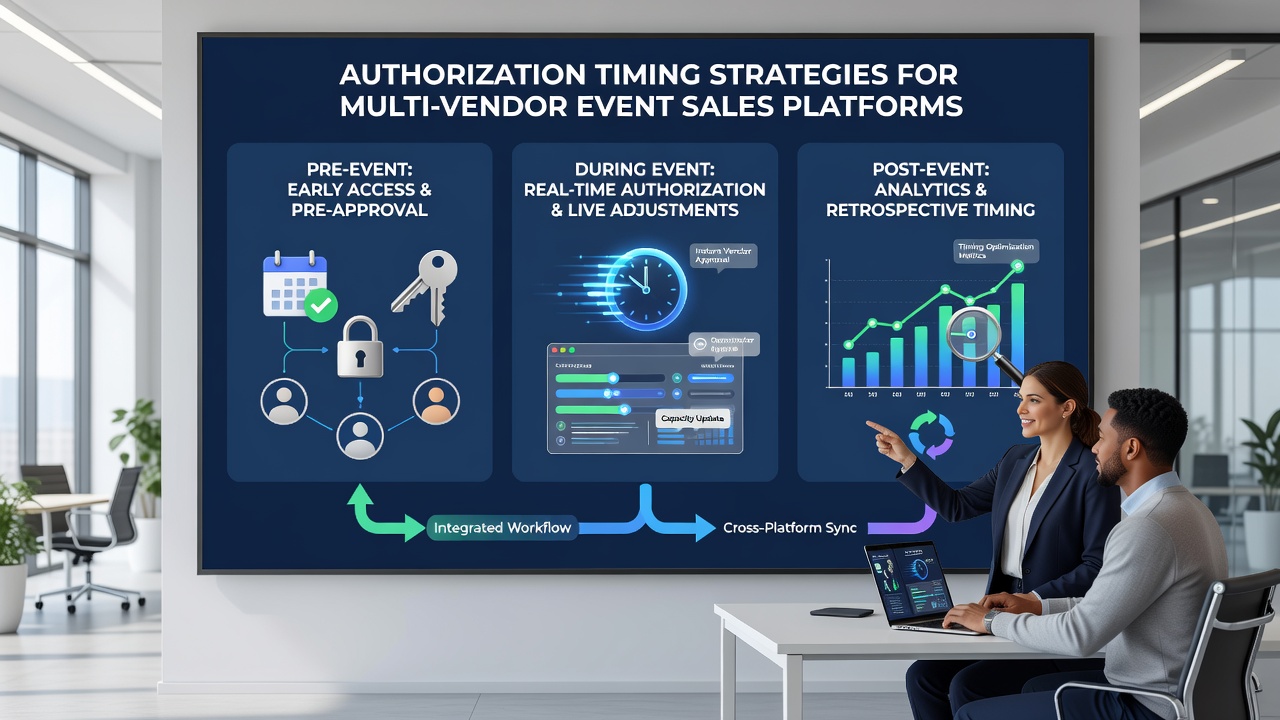
Event sales platforms that connect multiple vendors face unique pressures when handling payment authorizations because each vendor operates with distinct inventory rules, pricing tiers, and customer flows. Timing becomes the central variable that determines whether transactions clear smoothly or trigger declines that disrupt both sales volume and vendor relationships. Observers note that platforms managing concert tickets, festival passes, and sports packages often coordinate authorizations across dozens of independent sellers, and the sequence of these checks directly affects settlement speed as well as overall platform reliability. Research from Payments Canada indicates that staggered authorization windows reduce failed transactions by aligning holds with real-time inventory updates rather than applying uniform delays across every vendor. One approach involves immediate pre-authorization for high-demand items during initial release periods, followed by final capture once the buyer completes additional selections such as seat upgrades or merchandise bundles. This method prevents overselling while giving vendors time to confirm availability before funds move.
Core Timing Models Used in Multi-Vendor Environments
Platforms typically deploy three primary models. Real-time authorization processes each cart line item as soon as the buyer selects it, which works well when vendors share a single inventory database. Delayed batch authorization collects all items first and submits them together after checkout confirmation, a pattern that suits vendors who need several minutes to verify stock from separate systems. Hybrid timing combines both by authorizing core tickets instantly while holding secondary items for a short window. Data from the Reserve Bank of Australia shows that hybrid models cut processing overhead by 18 percent in platforms handling cross-vendor bundles because they avoid repeated network calls on low-value add-ons. The decision between models depends on average cart size, vendor count, and peak traffic patterns during ticket onsales.
Inventory Synchronization and Authorization Windows
Multi-vendor platforms must synchronize authorization timing with inventory feeds to avoid double-booking. When one vendor releases seats while another processes a related merchandise order, the platform routes separate authorization requests at different intervals. This separation prevents a single failed item from canceling an entire order. Studies from academic payment research groups have documented cases where platforms using five-second staggered windows between vendor requests achieved higher completion rates than those submitting everything simultaneously. The intervals allow each vendor's system to respond without overwhelming shared gateways during flash-sale periods.
Regulatory and Compliance Considerations
Authorization timing also intersects with data security requirements because longer holds increase exposure windows for cardholder information. Platforms adjust timing parameters to stay within guidelines set by regional standards bodies while still meeting vendor settlement expectations. In June 2026 several major platforms plan to implement updated tokenization schedules that shorten hold periods without altering final capture accuracy. Those managing these systems often reference reports from the European Payments Council when calibrating cross-border event sales, since differing regional rules on authorization duration affect how quickly funds reach vendors located in separate jurisdictions. The same reports highlight that precise timing reduces chargeback incidence by ensuring customers receive clear confirmation messages before funds leave their accounts.
Practical Implementation Patterns
Take one platform that coordinates ticket vendors for regional music festivals. It applies immediate authorization only to primary tickets during the first ten minutes of a sale, then switches to batch mode for add-ons once initial demand subsides. This shift prevents gateway congestion while still securing revenue for the main vendors. Observers tracking similar setups report that the switch occurs automatically based on traffic thresholds rather than fixed clocks. Another documented pattern involves vendor-specific timing tiers. High-volume vendors receive shorter authorization windows to match their faster inventory systems, whereas smaller vendors operate under slightly extended holds that accommodate manual verification steps. The platform routes requests through a central timing engine that applies these tiers without requiring each vendor to manage its own parameters.
Conclusion
Authorization timing strategies in multi-vendor event sales platforms center on matching processing sequences to inventory realities, traffic loads, and compliance rules. Data from multiple regulatory and industry sources confirms that platforms achieve measurable improvements in completion rates when they vary timing by vendor type and sale phase rather than applying uniform settings. Continued refinement of these approaches supports stable operations as event platforms expand their vendor networks and transaction volumes.