Bridging Brick-and-Mortar Terminals with Web-Based Hubs to Support Automated Charge Cycles and Protected Cross-Border Transfers at Reduced Overhead for Niche Retailers
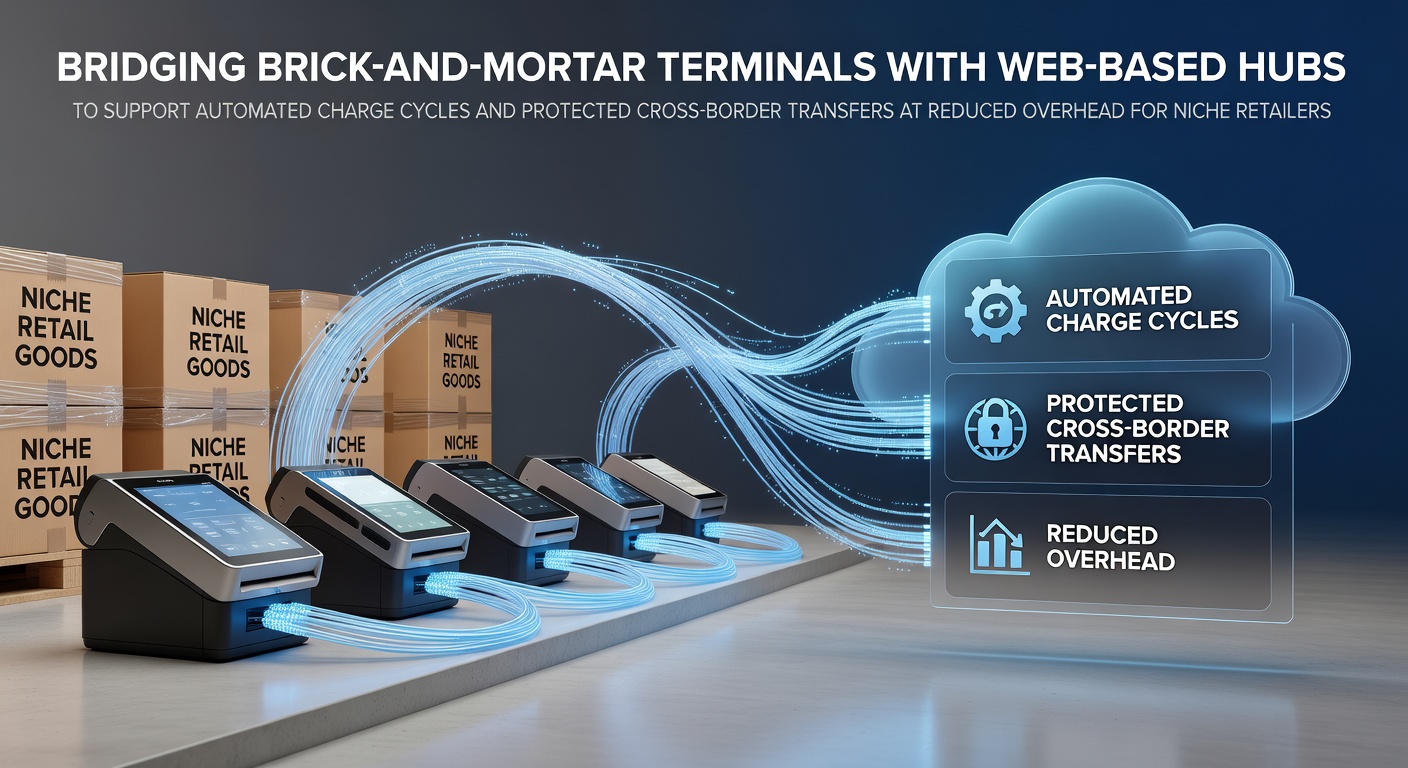 Specialty retailers operating physical locations alongside growing digital sales channels face ongoing demands to connect in-store payment terminals with centralized online platforms, and these connections enable automated billing sequences while maintaining security standards during international transfers. Systems achieve this linkage through application programming interfaces that synchronize point-of-sale hardware with cloud services, allowing transaction data to flow without repeated manual entry and supporting recurring charge setups for customers who prefer scheduled payments across multiple channels. Retail operations in categories such as specialty foods, artisanal goods, and equipment supplies benefit when terminals capture initial sales data that automatically feeds into web-based scheduling tools. This setup reduces duplicate processing steps and allows staff to focus on customer interactions rather than reconciling separate systems at the end of each day. Integration also supports compliance requirements for payment card data handling, with encryption protocols applied uniformly whether transactions originate at a counter or through an online order form.
Core Components of Terminal-to-Hub Connectivity
Physical terminals equipped with near-field communication and chip readers transmit authorization requests to web hubs that manage customer profiles and billing calendars. The hubs maintain records of payment methods, purchase histories, and delivery preferences, then trigger automated charge cycles on predefined dates without requiring additional input from store personnel. Niche retailers often maintain smaller teams, so the elimination of manual follow-up tasks produces measurable time savings that compound across weekly or monthly cycles.
Security measures include tokenization of card details at the terminal level before any data reaches the central hub, and this process prevents exposure of full account numbers during both domestic and cross-border movements. Regulatory frameworks in multiple jurisdictions require such protections, and platforms built to these specifications receive certification from recognized standards organizations. As of May 2026, updates to data residency rules in several trade zones have prompted providers to expand server locations, giving retailers more options for routing sensitive information while staying within applicable legal boundaries.
Automated Charge Cycles in Practice
Recurring billing functions activate once a customer completes an initial purchase at a physical terminal or through the connected web interface. The system records the payment instrument and frequency preference, then initiates future charges according to the agreed schedule. Specialty retailers use this capability for subscription-style offerings such as monthly ingredient boxes or equipment maintenance plans, and the automation ensures consistent revenue recognition without separate invoicing runs.
Transaction logs generated by the hub feed back into inventory and accounting applications used at store locations, creating a single source of truth for financial reporting. Retailers observe fewer discrepancies between expected and actual cash flow because charge attempts occur at consistent intervals and failed payments trigger predefined retry sequences before human intervention becomes necessary.
Protected Cross-Border Transfers and Cost Controls
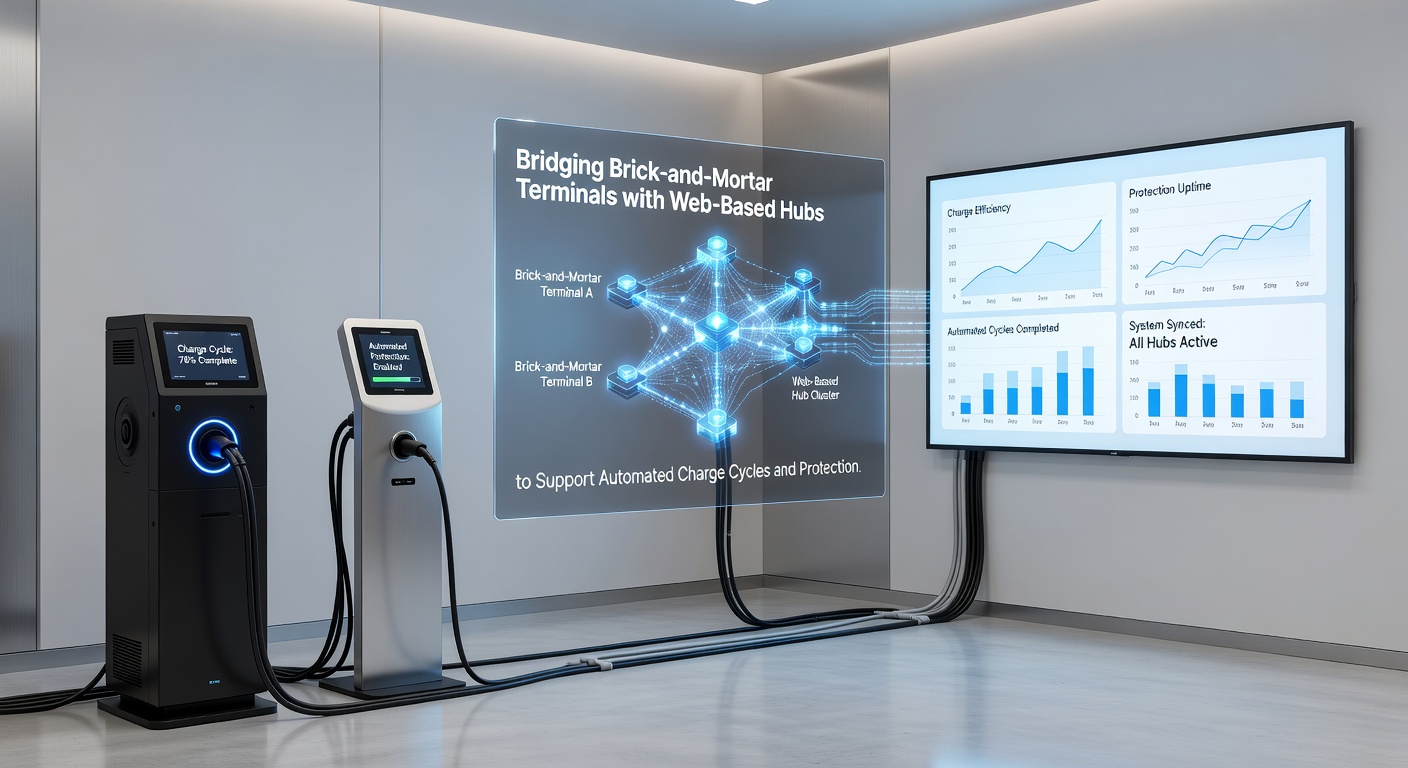
International transactions require additional verification layers to satisfy anti-money laundering directives and card network rules. Web hubs incorporate address verification services and velocity checks that operate in real time, flagging unusual patterns before funds move across borders. Retailers serving customers in multiple countries report that centralized processing through a single hub reduces the number of intermediary banks involved, which directly lowers per-transaction fees compared with routing each sale through separate local acquirers.
Data compiled by the Bank for International Settlements shows continued growth in cross-border retail payments processed through integrated platforms, with volume increases noted through early 2026. The same reports highlight efficiency gains when origin and destination systems share standardized messaging formats, minimizing translation errors and settlement delays. Niche retailers gain particular advantage because their customer bases frequently include overseas buyers who prefer automatic renewal options for specialty products unavailable locally.
Implementation Considerations for Smaller Operations
Retailers evaluating these systems examine compatibility between existing terminal hardware and chosen hub providers. Many modern terminals already support the required API calls, allowing upgrades through software configuration rather than full equipment replacement. Training focuses on dashboard navigation within the web interface, where staff review scheduled charges, adjust customer preferences, and monitor exception reports without leaving the store premises.
Overhead reduction appears in several areas once integration stabilizes. Fewer chargebacks occur because automated notifications remind customers before each billing event, and consolidated reporting cuts the hours previously spent matching bank statements from multiple processors. Providers typically structure pricing around per-transaction percentages plus fixed monthly access fees, and niche retailers calculate return on investment by comparing these costs against previous combinations of standalone terminal services and separate ecommerce gateways.
Conclusion
Integration between physical terminals and web-based hubs creates operational continuity for retailers who maintain both storefront and digital sales channels. Automated charge cycles maintain steady revenue streams while security protocols protect data during domestic and international movements. Reduced processing steps and consolidated oversight contribute to lower overall expenses, particularly for operations handling specialized products with geographically dispersed customers. Retailers adopting these configurations position their transaction infrastructure to scale alongside evolving payment preferences without proportional increases in administrative workload.