Crafting Resilient Revenue Streams: How Quick-Setup Merchant Accounts Enable Secure Credit Card Processing and Recurring Billing Across Hybrid Retail Platforms
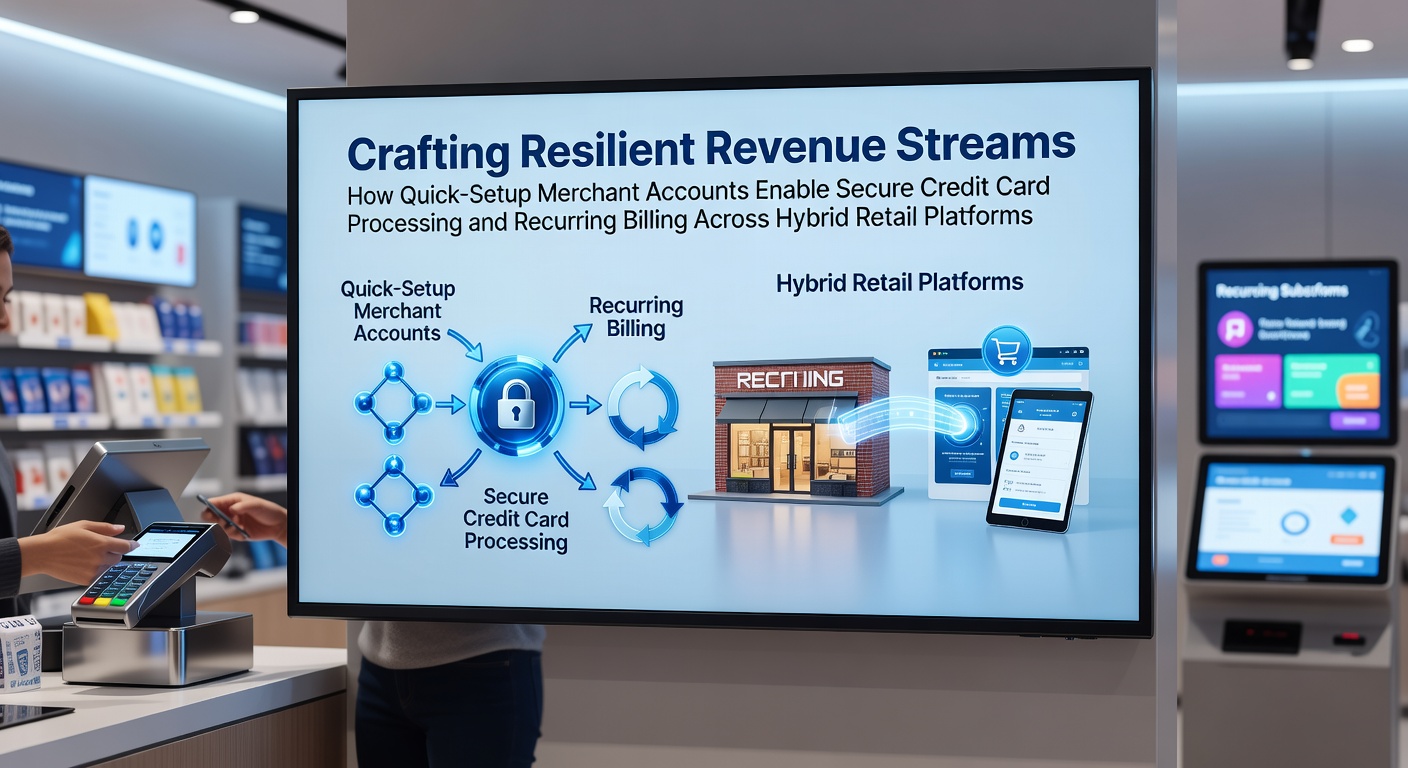
Retail businesses that combine physical locations with digital channels rely on merchant accounts to maintain steady cash flow through credit card processing and recurring billing arrangements. Quick-setup versions of these accounts allow operators to activate services in days rather than weeks while meeting security requirements that protect cardholder data during every transaction.
Hybrid models grew steadily through the early 2020s because consumers expect to complete purchases whether they visit a store or browse an app. Data from payment networks indicate that businesses using unified merchant accounts for both channels recorded fewer abandoned carts and smoother in-store checkouts compared with those maintaining separate systems. Observers note that the ability to process one-time sales alongside subscription renewals from the same account reduces reconciliation errors and lowers operational overhead.
Mechanics of Quick-Setup Merchant Accounts in Hybrid Environments
Traditional merchant account applications once required extensive paperwork and underwriting reviews that stretched over several weeks. Quick-setup options streamline the process by leveraging automated verification of business documents, bank statements, and identity records. Retailers receive account approval once risk thresholds are cleared, which lets them begin accepting credit cards and configuring recurring payment schedules almost immediately. Processors integrate these accounts with point-of-sale terminals and ecommerce platforms through standardized APIs so inventory, pricing, and customer records stay synchronized across locations.
Security protocols remain consistent regardless of setup speed. All accounts must comply with PCI DSS requirements that mandate encryption of card data at rest and in transit. Tokenization replaces sensitive card numbers with unique identifiers that prevent replay attacks during future charges. In May 2026, updates to tokenization standards are scheduled to expand support for contactless and mobile wallet transactions, a change that affects both physical terminals and online checkout flows used by hybrid retailers.
Secure Credit Card Processing Across Channels
Hybrid retailers process credit cards through the same merchant account whether a customer taps a terminal in-store or enters details on a website checkout page. This unified approach lets businesses apply identical fraud detection rules and chargeback management procedures to every transaction. Payment processors monitor authorization requests in real time, flagging unusual patterns such as rapid successive charges or mismatched billing addresses. Retailers that adopted these centralized controls reported measurable declines in fraudulent activity according to aggregated industry statistics released by the Federal Reserve.
End-to-end encryption protects data from the moment a card is presented until the transaction reaches the acquiring bank. Hardware terminals used in physical stores and software development kits embedded in web applications both rely on this encryption layer. When a hybrid business expands its product catalog or adds new store locations, the existing merchant account scales without requiring new security certifications for each addition.
Recurring Billing Configurations for Revenue Stability
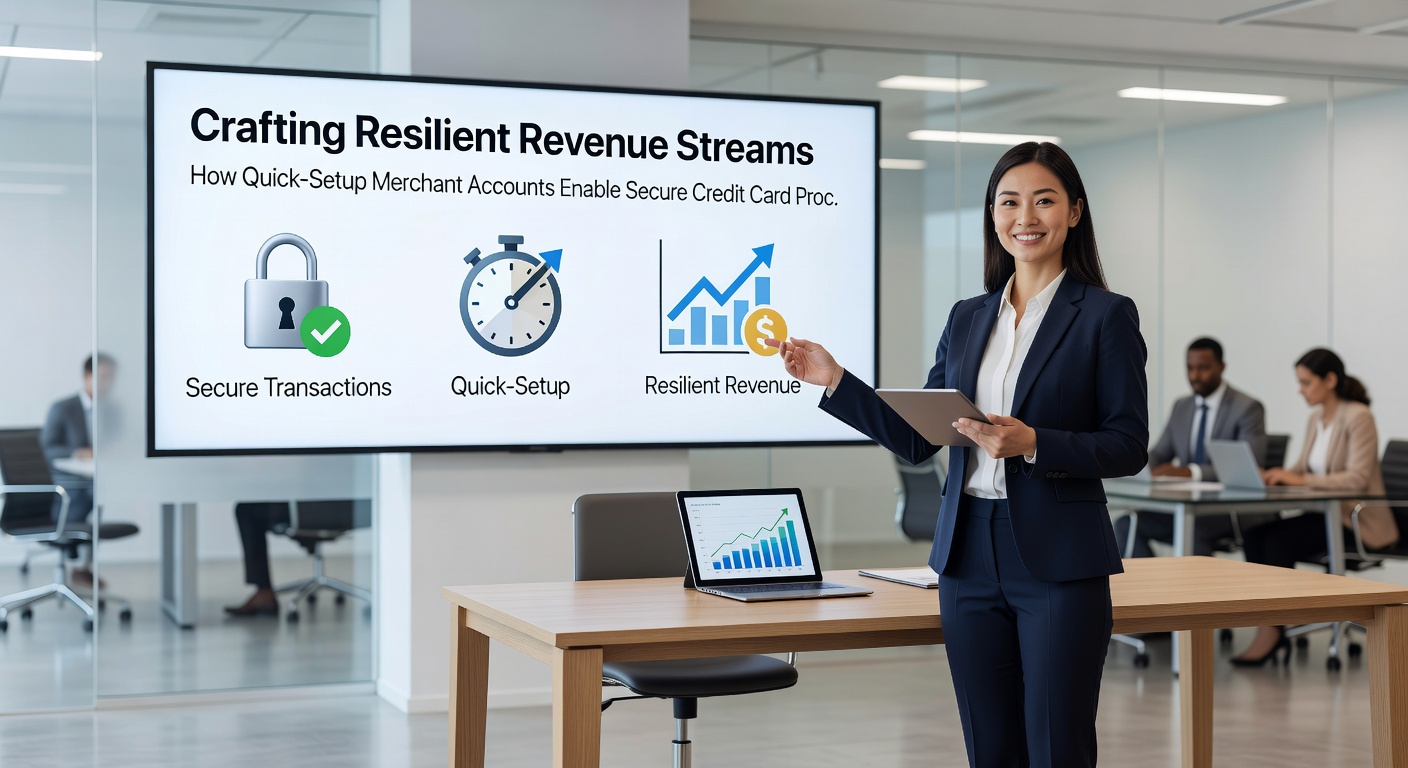
Recurring billing features within merchant accounts let retailers automate charges for memberships, maintenance plans, and replenishment subscriptions. Merchants define billing intervals, trial periods, and grace windows directly in the account dashboard. The system then generates invoices and processes payments on schedule while updating customer records across connected sales channels. Research from the Bank of Canada shows that businesses offering recurring options experienced steadier monthly revenue compared with those relying solely on one-time purchases.
Quick-setup accounts include built-in tools for handling failed payments and customer-initiated pauses. Automated retry logic attempts collection on subsequent days when an initial charge is declined, while notification sequences alert account holders before cancellation takes effect. These features reduce involuntary churn and support predictable cash flow projections that hybrid retailers use for inventory planning and staffing decisions.
Integration Patterns Observed in Current Deployments
Many operators connect their merchant accounts to inventory management systems and customer relationship platforms so that recurring billing events trigger automatic stock adjustments and loyalty point allocations. When a subscription renews, the system records the sale in both online and physical sales ledgers, maintaining accurate tax calculations for each jurisdiction. Academic studies from the University of Toronto have documented efficiency gains when payment data flows directly into enterprise resource planning software rather than requiring manual exports.
Regional differences appear in how quickly new locations can activate recurring billing. Markets with streamlined banking regulations tend to complete account provisioning faster, whereas areas with stricter data residency rules may require additional compliance steps. Retailers operating across borders therefore select processors that maintain compliance certifications in multiple jurisdictions to avoid delays when opening new hybrid sites.
Conclusion
Quick-setup merchant accounts provide the infrastructure that lets hybrid retailers accept credit cards securely and manage recurring billing without lengthy onboarding delays. The combination of automated verification, standardized security protocols, and unified processing across physical and digital channels supports consistent revenue collection while adapting to expanding operations. As payment networks prepare for protocol updates scheduled in 2026, businesses that already operate through these accounts stand positioned to incorporate new transaction types with minimal additional configuration.