Exploring Encryption Layers That Protect Multi-Channel Sales Data While Connecting Inventory Tools to Automated Charge Systems
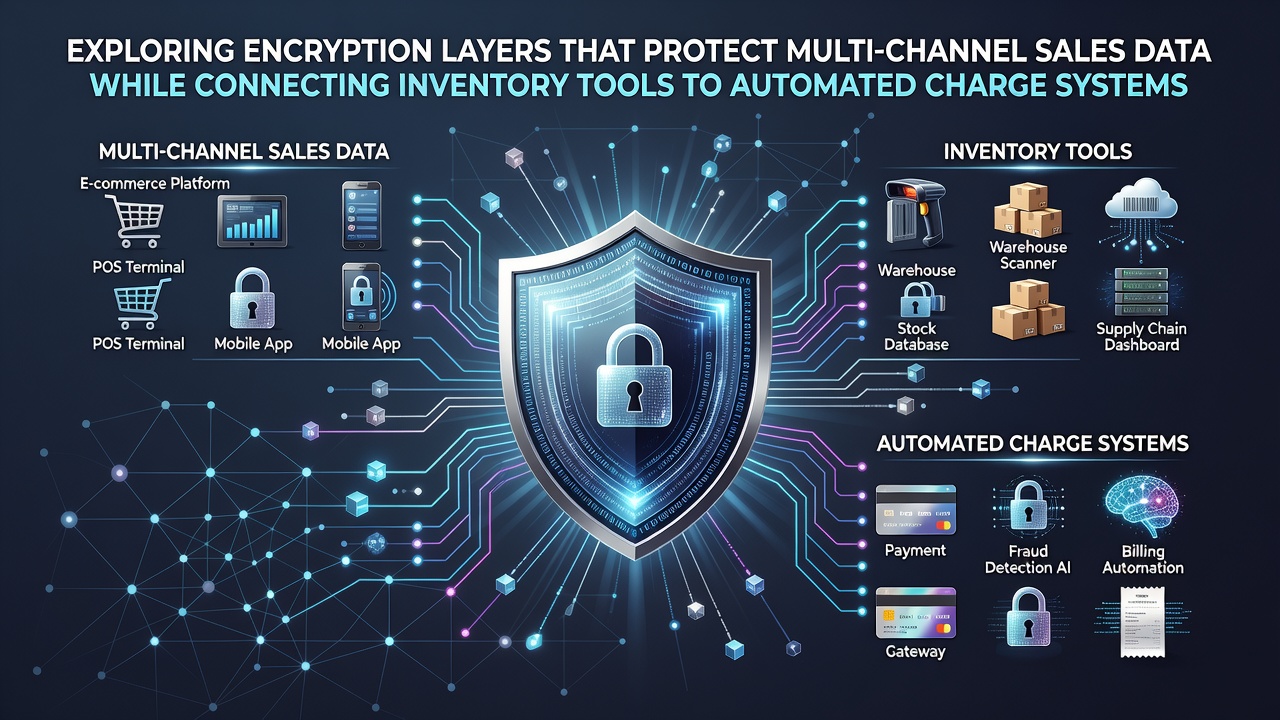
Multi-channel retail operations rely on secure data exchanges that link point-of-sale terminals, online storefronts, inventory management platforms, and automated billing mechanisms, and encryption forms the foundation that safeguards transaction details throughout these pathways. Data moves constantly across these systems in real time, which means each layer of protection must address potential interception points without disrupting operational speed. Researchers at institutions focused on cybersecurity standards have documented how layered encryption protocols reduce exposure during transfers between disparate retail environments.
Core Encryption Components in Retail Data Pathways
Transport Layer Security protocols encrypt data packets as they travel between connected systems, while Advanced Encryption Standard algorithms handle the protection of stored records within databases that feed both inventory trackers and charge processors. Tokenization replaces sensitive card details with unique identifiers that carry no intrinsic value if intercepted, and this approach integrates directly with inventory synchronization tools that update stock levels after each sale completes. Observers note that these methods operate simultaneously so that a purchase processed through an in-store terminal can trigger an automatic inventory adjustment and a corresponding charge authorization without exposing raw payment information at any stage.
End-to-end encryption extends coverage from the initial customer interaction through to the final settlement in automated charge systems, which prevents intermediaries from accessing plaintext data during handoffs between platforms. Studies conducted by standards organizations show that combining these techniques creates multiple barriers that attackers must overcome sequentially. Data from payment security audits indicates that organizations implementing at least three distinct encryption layers experience fewer successful breach attempts compared with those relying on single-method protections.
Connecting Inventory Systems to Automated Charging Through Secure Channels
Inventory tools exchange stock quantities and pricing data with automated charge systems via application programming interfaces that incorporate encryption at both the message level and the transport level. When a sale occurs in one channel, encrypted updates propagate to central ledgers, which then authorize corresponding charges without requiring manual intervention. This process maintains consistency across physical stores and digital marketplaces while limiting the window during which transaction identifiers remain accessible in memory.
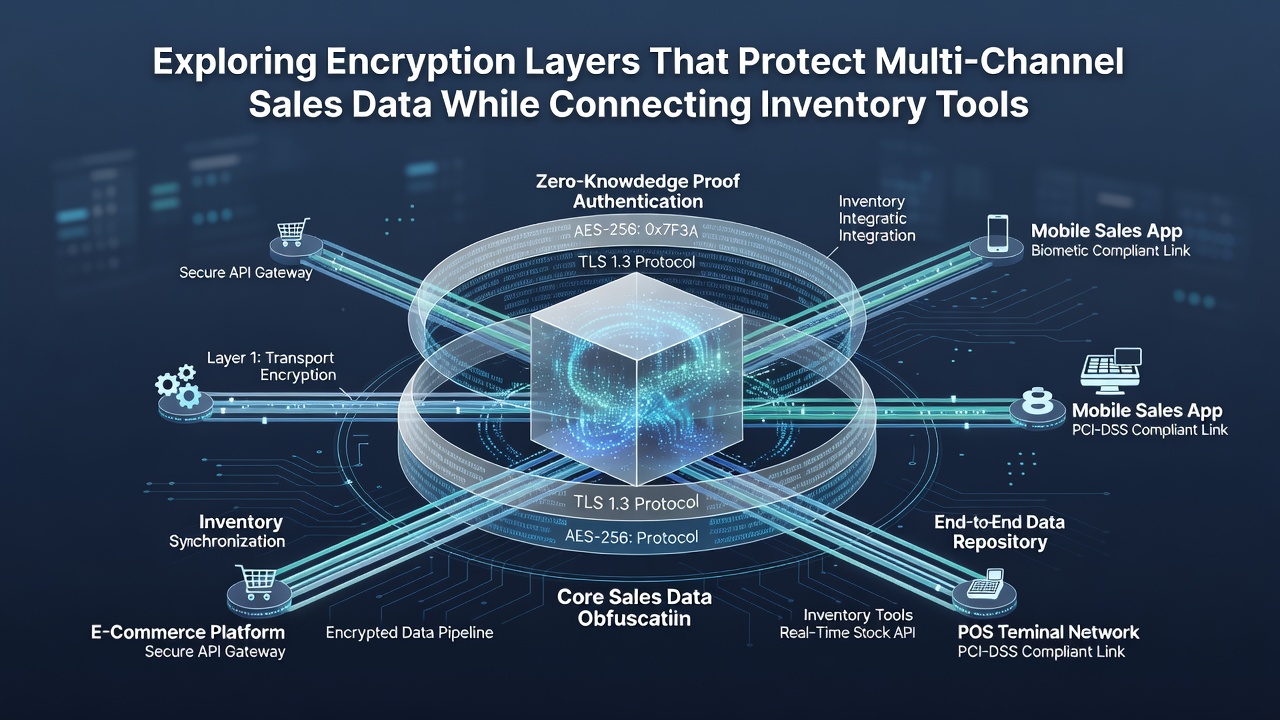
Key management practices ensure that decryption keys rotate on scheduled intervals, and this rotation occurs independently of inventory reconciliation cycles so that operational continuity remains uninterrupted. Those who manage large-scale retail networks report that automated key rotation combined with encrypted API calls allows inventory adjustments to trigger charge events within milliseconds. Figures from industry reports compiled in 2025 reveal that such integrations handle millions of daily transactions while maintaining compliance with established data protection requirements.
Standards Governing Encryption in Multi-Channel Environments
The Payment Card Industry Data Security Standard outlines specific requirements for encryption strength and key storage that apply across all channels where payment data intersects with inventory records. Compliance audits verify that automated charge systems employ approved algorithms and that inventory interfaces do not create unencrypted logging points. According to guidance issued by the PCI Security Standards Council, organizations must document encryption controls that cover both live transaction streams and archived sales data used for forecasting.
Additional frameworks from the National Institute of Standards and Technology in the United States provide detailed specifications for cryptographic modules that protect data at rest within integrated retail platforms. European regulators through the European Union Agency for Cybersecurity have issued parallel recommendations that emphasize mutual authentication between inventory tools and charge processors. These overlapping standards create a baseline that multi-channel operators follow when configuring encryption layers for cross-border operations.
Operational Impacts and Implementation Patterns
Retailers that align encryption protocols with inventory synchronization schedules often observe reduced latency in automated charge approvals because encrypted tokens allow faster validation than full card data re-entry. In June 2026, several platform providers introduced updated modules that embed encryption directly into inventory API endpoints, which eliminated separate encryption steps for certain high-volume product categories. This change streamlined the connection between sales data capture and recurring charge generation while preserving audit trails required by regulatory bodies.
Case examples from mid-sized operations illustrate how segmented encryption domains separate customer-facing channels from backend inventory ledgers, which limits the blast radius if one segment experiences compromise. Automated charge systems pull encrypted inventory snapshots at defined intervals, then match them against pending authorizations without exposing underlying stock identifiers. Such patterns demonstrate consistent application of layered protections across diverse retail scales.
Conclusion
Encryption layers that span transport protocols, algorithmic standards, and tokenization methods form an integrated defense for sales data moving between multiple channels and their associated inventory and billing components. Standards from international bodies establish minimum requirements that guide implementation, while operational examples show how these layers support continuous synchronization without introducing friction. Continued adherence to documented protocols ensures that connections between inventory tools and automated charge systems remain both functional and protected as transaction volumes grow.