Navigating Transaction Ecosystems for Niche Brands Expanding Across Channels
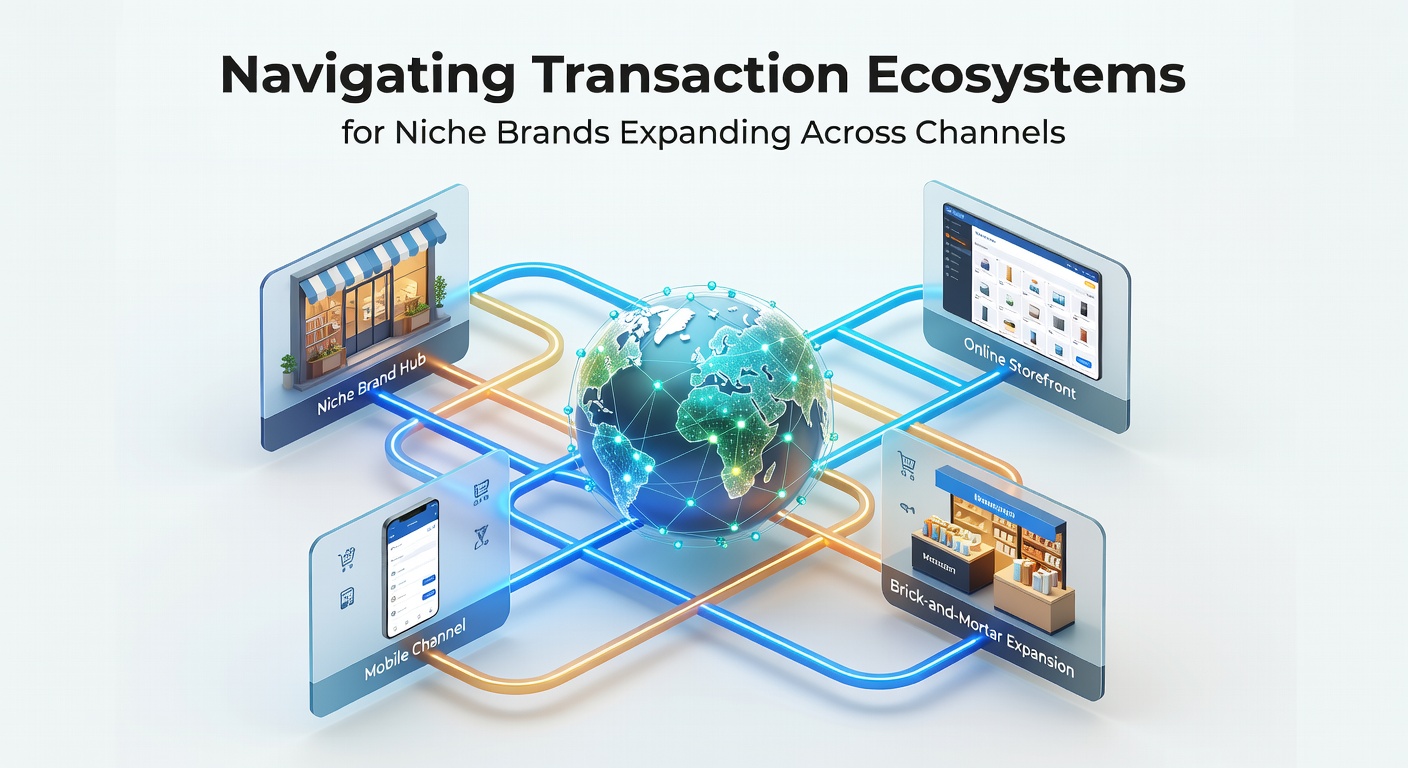 Niche brands face distinct challenges when they move beyond single-channel operations into broader retail landscapes, and transaction ecosystems represent the network of processors, gateways, compliance frameworks, and financial institutions that handle payments across those channels. Observers note that brands specializing in areas such as artisanal goods or specialized consumer products often encounter fragmented systems when they add e-commerce platforms alongside pop-up events or regional storefronts, which creates pressure to align payment flows without disrupting existing customer relationships. Data from the Bank for International Settlements indicates that cross-border and multi-channel transactions grew steadily through 2025, with projections pointing toward further integration milestones expected by May 2026 as new interoperability standards take effect in several markets. Those who've studied these patterns understand that successful navigation starts with mapping every touchpoint where revenue changes hands, from mobile apps and social commerce links to in-person terminals, then layering security protocols that satisfy both domestic rules and international requirements.
Understanding Core Components of Modern Transaction Networks
Transaction ecosystems consist of several interconnected layers including acquiring banks, issuing institutions, payment processors, and value-added services such as fraud detection tools, and niche brands must evaluate each layer for compatibility when scaling. Research indicates that brands operating in limited geographic areas initially rely on domestic acquirers, yet expansion into additional regions introduces currency conversion fees, local tax reporting obligations, and varying data residency laws that demand careful configuration.
One study released by the European Central Bank highlighted how smaller merchants using unified dashboards reduced reconciliation errors by connecting their online storefronts directly to legacy point-of-sale hardware through standardized APIs, and similar approaches appear in reports from the Reserve Bank of Australia covering hybrid retail models. Those patterns show up repeatedly across industries where product differentiation relies on personalized service rather than mass volume.
Channel Expansion and Payment Flow Alignment
When niche brands add new sales channels, payment routing decisions determine both cost structures and settlement speeds, and experts have observed that brands succeed when they test routing rules before full rollout. Social commerce platforms, subscription portals, and wholesale marketplaces each impose unique data formatting requirements that must feed into a central ledger without manual intervention, which explains why middleware solutions have gained traction among mid-sized operators.
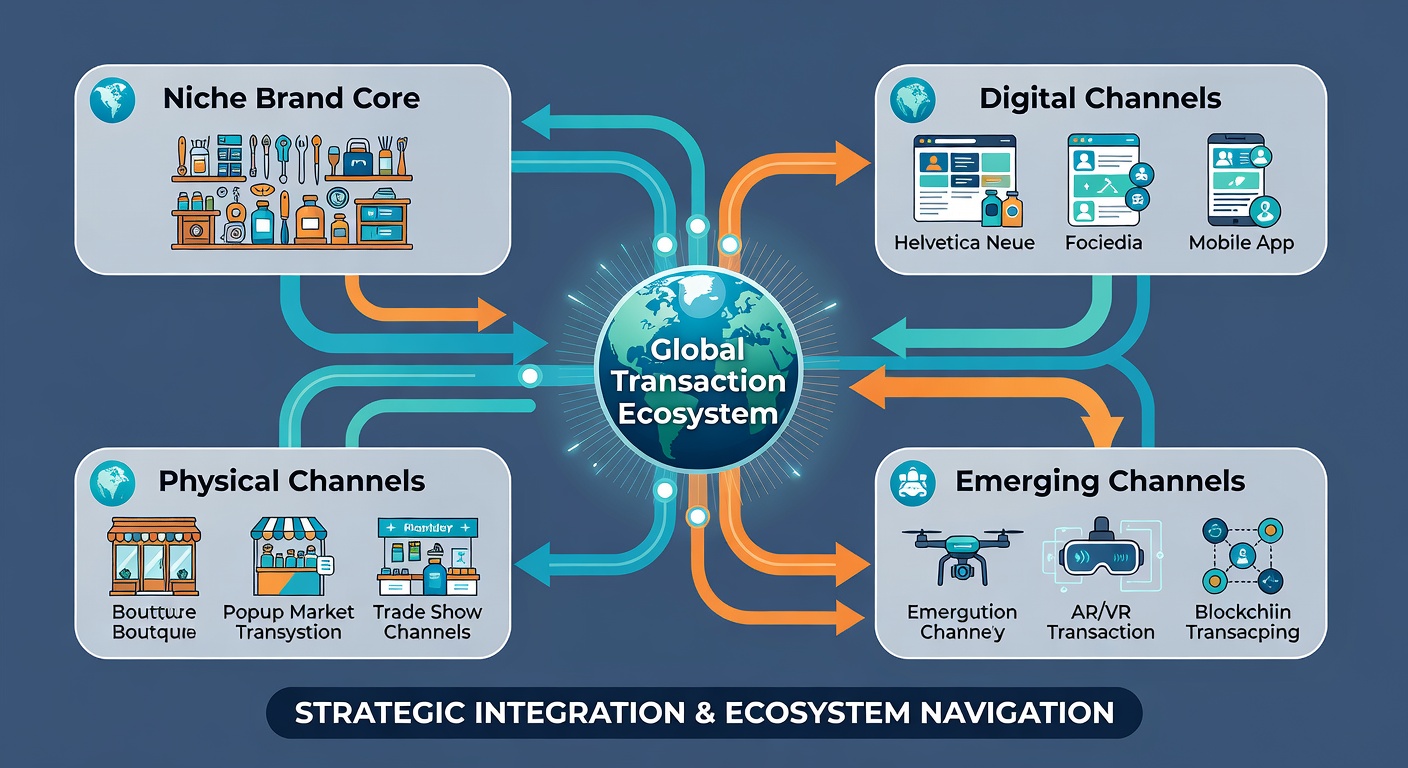
Take one specialty coffee importer that expanded from farmers-market stalls into an online subscription model plus two regional cafes, and records show the company consolidated its processor relationships under a single orchestration layer to maintain consistent authorization rates across all three environments. Figures from industry reports suggest such consolidations can lower per-transaction overhead when volume crosses certain thresholds, although results vary by product category and average ticket size.
Regulatory Compliance Across Jurisdictions
Compliance frameworks evolve at different paces depending on region, and brands expanding across borders encounter staggered deadlines for updated security standards or consumer protection rules. In May 2026 several updated interchange regulations are scheduled for review in North American and Asian markets, which will affect how niche operators calculate margins on high-value items sold through mixed channels. Observers note that early adoption of tokenization and end-to-end encryption helps future-proof systems against these shifts, while also satisfying PCI-DSS audit requirements that apply uniformly regardless of sales volume.
Academic research from Canadian universities has examined how smaller exporters manage multi-jurisdictional reporting through automated tax engines tied to their primary payment processor, and the findings underscore the value of pre-configured rule sets that adjust automatically when a transaction originates from a new market. Those who've implemented such engines report fewer manual corrections during quarterly filings.
Technology Integration Strategies
Integration choices determine whether a brand can scale without rebuilding its entire back office each time a new platform emerges, and middleware platforms that support both RESTful APIs and legacy file formats remain common among operators with mixed technology stacks. Research indicates that brands prioritizing modular architecture maintain higher uptime during peak sales periods compared with those locked into single-vendor ecosystems.
Case examples include outdoor equipment makers that linked their direct-to-consumer website, third-party marketplaces, and seasonal trade-show terminals through a centralized transaction hub, allowing real-time inventory updates that prevent overselling. Data shows these connections reduce chargeback incidence when customer purchase history remains visible across channels, because disputes can be resolved with full context rather than isolated records.
Conclusion
Niche brands that treat transaction ecosystems as strategic infrastructure rather than background utilities position themselves to absorb channel growth with fewer operational disruptions, and ongoing standardization efforts through 2026 will likely reward those who map their current flows against emerging requirements. Observers continue to track how regulatory updates and technical interoperability advances reshape cost structures for specialized retailers operating across multiple touchpoints.