Reimagining Retail Connectivity: How Payment Gateways Blend Recurring Billing with Point-of-Sale Efficiency for Minimal Transaction Costs
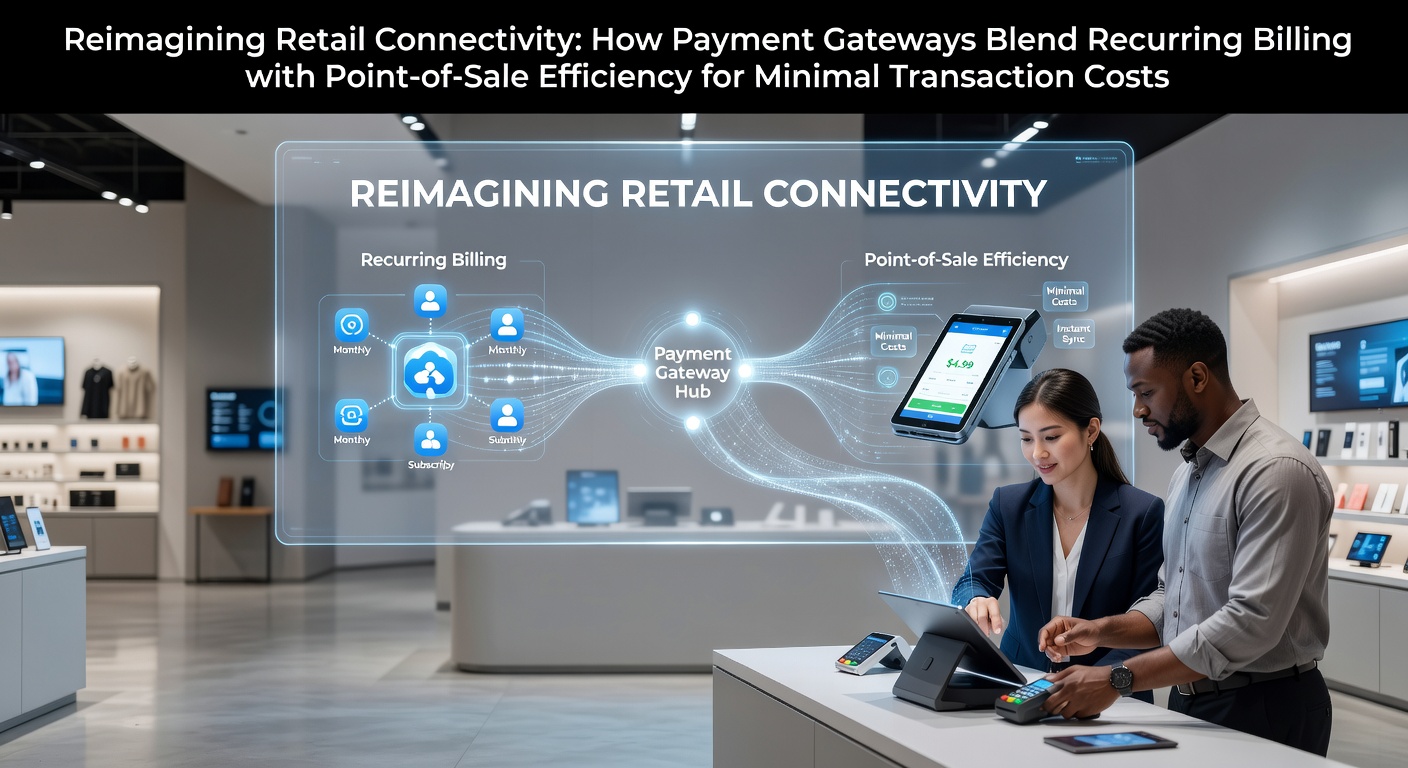 Retail environments have shifted dramatically as payment gateways now merge recurring billing functions with traditional point-of-sale operations. This integration allows merchants to process subscription payments alongside in-store purchases through unified systems that reduce per-transaction fees and streamline operations. Data from the European Central Bank shows payment processing volumes across hybrid channels grew steadily into 2026, with many retailers adopting gateways capable of handling both models without separate infrastructure. The core mechanism involves application programming interfaces that connect subscription management software directly to POS terminals. When a customer completes an in-store purchase, the same gateway can flag recurring elements such as loyalty programs or scheduled replenishments. These connections cut down on multiple processor fees because transactions route through a single authorization path rather than parallel services. Observers note that batch settlement features further compress costs by grouping recurring and one-time payments for daily reconciliation instead of real-time charges on each item.
Integration Mechanics in Modern Retail Settings
Payment gateways achieve this blend through tokenization protocols that store customer credentials once and apply them across channels. A shopper who buys a product at the counter can opt into automatic refills without re-entering details, while the merchant avoids additional gateway charges for the recurring setup. Research from the Bank of Canada highlights how such unified token systems lowered average transaction expenses for mid-sized retailers by coordinating recurring and POS streams under shared compliance frameworks.
Real-time inventory links add another layer. When a recurring order triggers, the gateway communicates with the POS database to update stock levels instantly, preventing overselling. This synchronization happens through standardized protocols that many providers adopted by May 2026, allowing smaller businesses to compete with larger chains on operational speed without extra hardware investments.
Cost Reduction Through Unified Processing
Transaction fees drop when gateways consolidate authorization requests. Separate recurring platforms once added layers of interchange and assessment charges, yet combined systems now apply volume-based discounts across all activity. Retailers processing both subscription renewals and walk-in sales through one provider often see aggregated monthly volumes qualify for lower tiers, an outcome documented in industry analyses of North American and European markets.
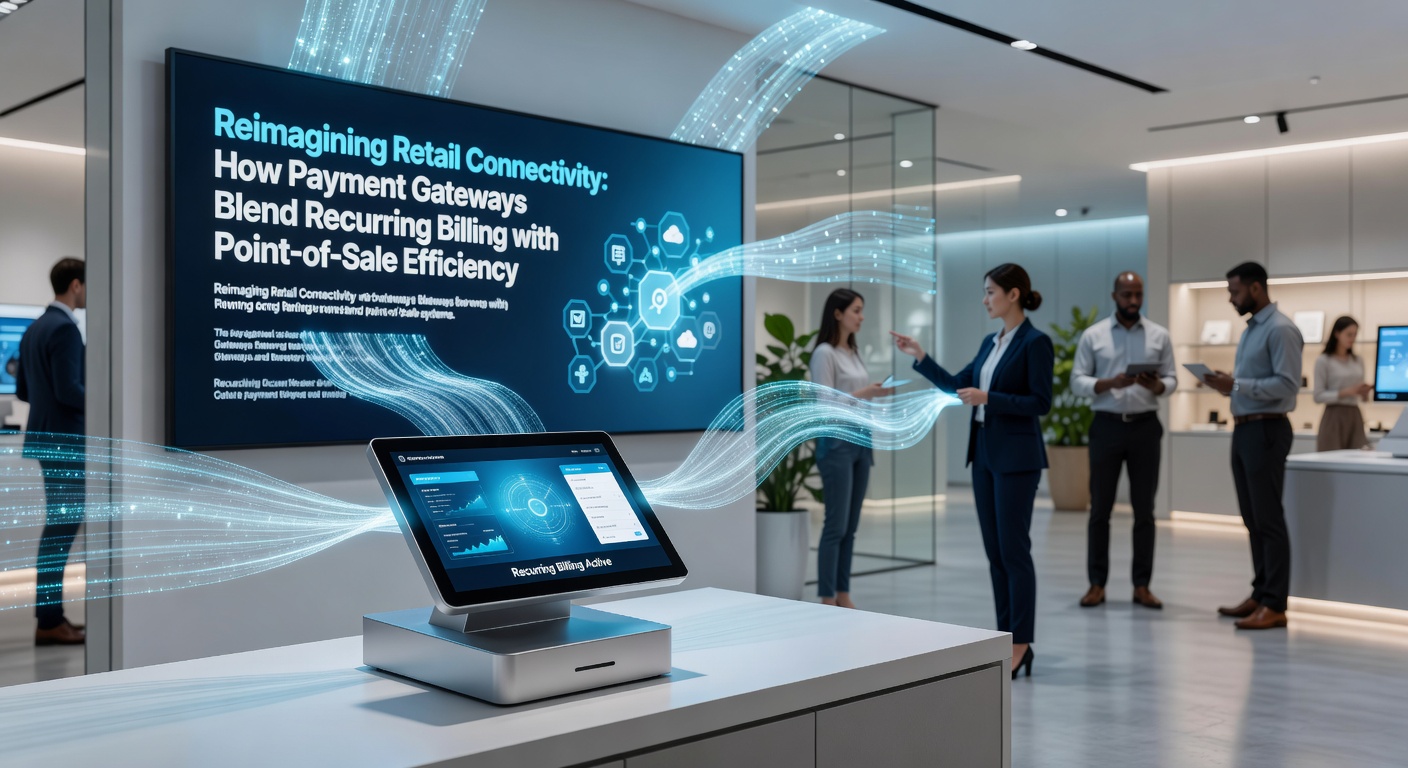
Security protocols reinforce these savings. Encryption standards applied uniformly across recurring and POS flows limit exposure during data transfers, which in turn reduces fraud-related chargebacks that inflate effective costs. Processors report fewer disputes when customer profiles remain consistent between subscription profiles and in-store records, creating a feedback loop that improves approval rates over time.
Operational Advantages for Hybrid Retail Models
Staff training simplifies considerably under unified gateways. Employees learn one interface for ringing up sales, managing subscriptions, and issuing refunds, which cuts onboarding time and minimizes errors that previously led to duplicate processing fees. Case examples from Australian retail chains demonstrate how these platforms enabled stores to expand subscription offerings without expanding back-office teams.
Reporting capabilities also consolidate. Merchants receive single dashboards that break down revenue by recurring versus one-time streams while highlighting fee breakdowns. This visibility helps identify patterns such as peak subscription renewal periods overlapping with high POS traffic, allowing schedule adjustments that further optimize processor rates.
Future Developments as of Mid-2026
By May 2026, several gateways introduced enhanced analytics that predict recurring payment success rates based on POS purchase history. These tools adjust retry schedules automatically, lowering failed transaction costs that once accumulated through repeated authorization attempts. Integration with emerging open banking frameworks in regions like the EU and Canada continues to expand options for direct account-to-account recurring pulls that bypass card networks entirely in some cases.
Hardware compatibility remains a focus. Many terminals now support software updates that activate recurring modules without replacement, preserving capital while delivering the blended functionality. This approach proves especially useful for independent retailers balancing tight margins against growing customer demand for subscription convenience.
Conclusion
Payment gateways that successfully unite recurring billing with point-of-sale functions deliver measurable reductions in transaction expenses while maintaining operational continuity. The technical connections established through tokenization, batch processing, and shared compliance layers create efficiencies that scale across business sizes. Continued refinement of these systems into 2026 and beyond supports broader retail connectivity without proportional increases in processing overhead.