Sync Your Sales: How Payment Gateways Unite POS and Ecommerce for Secure, Low-Cost Transactions
Sync Your Sales: How Payment Gateways Unite POS and Ecommerce for Secure, Low-Cost Transactions
The Mechanics of Unified Payment Processing
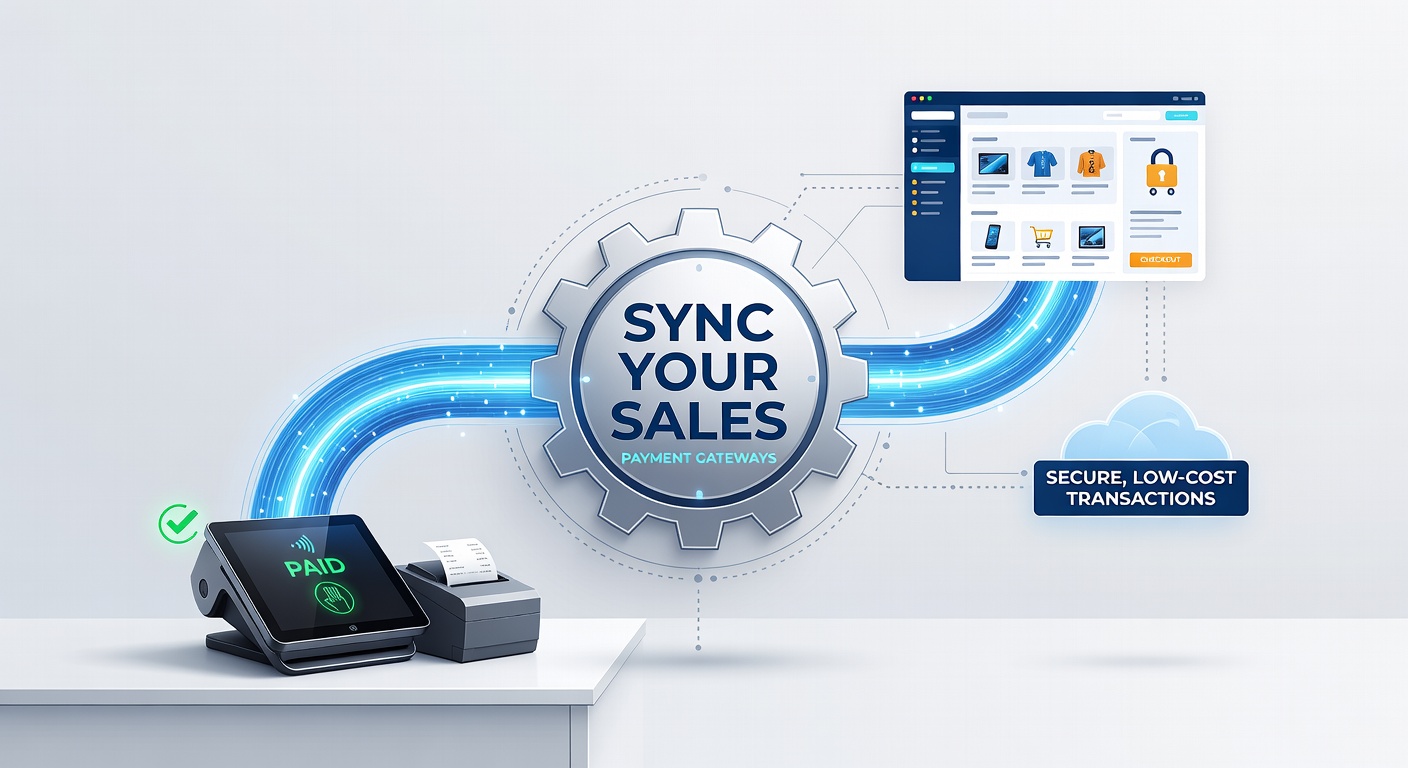
Payment gateways serve as the central hub where physical point-of-sale (POS) systems meet online ecommerce platforms, enabling merchants to process transactions seamlessly across both channels while maintaining security protocols and minimizing fees. These gateways, which handle authorization, capture, and settlement of payments, integrate via APIs that allow real-time data synchronization between in-store terminals and digital storefronts; as a result, inventory levels update instantly, customer profiles consolidate, and sales data flows without manual intervention. Experts who track fintech developments note how this unification reduces errors that once plagued separate systems, where mismatched records led to overselling or delayed fulfillments.
Take a mid-sized retailer operating brick-and-mortar locations alongside an online shop; when a customer buys in-store using a contactless card, the gateway instantly reflects that sale in the ecommerce backend, preventing the same item from shipping digitally to another buyer. Data from industry reports reveals that businesses adopting such integrations see transaction success rates climb above 99%, compared to fragmented setups hovering around 95%. And that's before considering the compliance layers baked in, like tokenization that replaces sensitive card details with unique identifiers, ensuring data stays protected even during cross-channel handoffs.
How Integration Cuts Costs and Boosts Efficiency
Low-cost transactions emerge as a core advantage, since unified gateways consolidate processing volumes under one merchant account, negotiating lower interchange rates with card networks; for instance, a business handling $1 million monthly across POS and ecommerce might shave 0.5% to 1% off fees by routing everything through a single pipe, turning thousands into bottom-line savings. Observers in the payments space point out that this volume aggregation appeals to networks like Visa and Mastercard, who offer tiered pricing for high-throughput merchants, while smaller players without integration pay premium rates per channel.
But here's the thing: efficiency gains compound those savings, as automated reconciliation eliminates duplicate fees from separate processors and speeds up fund settlements to same-day payouts in many cases. Research from the Federal Reserve's payments study indicates that integrated systems reduce operational overhead by up to 30%, freeing staff from reconciling spreadsheets late into the night. People who've implemented these setups often discover that customer retention improves too, since unified loyalty programs reward spending regardless of channel, turning one-time buyers into repeat visitors both online and off.
Security Protocols That Span Both Worlds
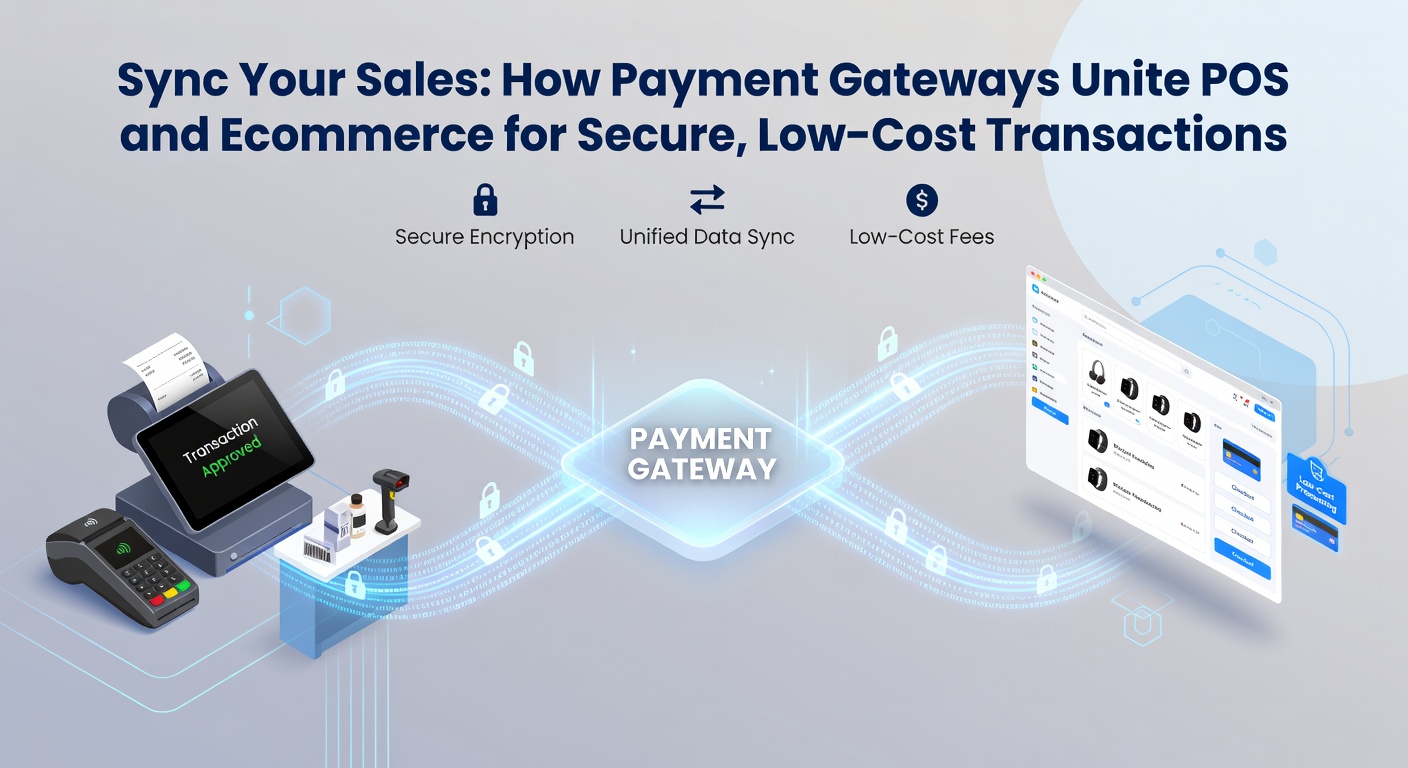
Security stands out because gateways enforce PCI DSS compliance across POS taps, chip inserts, and ecommerce checkouts, using end-to-end encryption that shields data from intercept during transmission; 3D Secure protocols add extra authentication layers for online buys, while EMV standards do the same for physical swipes, creating a fortress that breaches rarely penetrate. Figures from the PCI Security Standards Council show breach incidents drop by 70% among integrated merchants, as centralized monitoring flags anomalies like unusual spending patterns syncing from store to site.
What's interesting is how AI-driven fraud detection evolves within these systems, analyzing behaviors in real time—say, a card used at POS followed by a high-value ecommerce order from another country triggers instant holds. Those who've studied cyber threats note that this proactive stance not only prevents losses but also builds trust, with customers 40% more likely to complete purchases on platforms boasting visible security badges. Yet even as threats adapt, gateways counter with dynamic CVV generation and biometric verification, keeping defenses ahead of the curve.
Real-World Cases and Implementation Steps
A coffee chain with 50 locations and a robust app-based ordering system provides a prime example; by syncing via a gateway like Stripe or Adyen, they unified payments, cutting monthly fees from $15,000 to $11,200 while enabling omnichannel perks like app credits redeemable in-store. Experts observing such transitions highlight the straightforward rollout: first, select a gateway supporting dual-channel APIs; next, map POS hardware—think Square terminals or Clover—to ecommerce carts on Shopify or WooCommerce; then test end-to-end flows, from tap-to-pay to digital wallet scans.
Challenges arise occasionally, like legacy POS incompatibility, but modern gateways offer middleware adapters that bridge gaps without full hardware swaps. One study from Australia's consumer competition watchdog details how small retailers there achieved 25% cost reductions post-integration, proving scalability even for independents. And for enterprises, cloud-based gateways scale effortlessly, handling Black Friday surges where POS lines meet online floods without a hitch.
Now consider seasonal spikes; during holiday rushes, unified systems prevent cart abandonments by offering consistent payment options—Apple Pay at checkout mirrors in-store contactless—keeping conversion rates steady. People running these operations find that reporting dashboards, pulling unified analytics, reveal insights like peak cross-channel hours, optimizing staffing and promotions accordingly.
Emerging Trends Shaping the Landscape in April 2026
By April 2026, real-time payments gain traction through gateways compliant with ISO 20022 standards, enabling instant POS-to-ecommerce settlements that slash float times from days to seconds; this shift, already piloted in regions like the EU under PSD3 frameworks, promises even lower costs via reduced holding fees. Data indicates adoption rates will hit 60% among mid-tier merchants, driven by central bank digital currencies (CBDCs) testing integration with gateways for seamless hybrid flows.
Turns out, contactless limits keep rising—now at $100 per tap in many areas—fueling gateway upgrades for high-value B2B transactions blending POS invoicing with ecommerce portals. Researchers tracking this note biometric rollouts, like palm-vein scans at registers syncing to app logins, enhance security without friction. That's where the rubber meets the road for global expansion, as gateways standardize currencies and compliance for cross-border sales, from Canadian loonies to Australian dollars.
So while challenges like regulatory harmonization persist, the trajectory points to gateways as indispensable, uniting sales channels more tightly than ever. Observers predict that by mid-2026, 80% of retailers will rely on these syncs, transforming how commerce operates daily.
Key Takeaways for Merchants
- Unified gateways lower fees through volume aggregation and streamlined processing.
- Security features like tokenization and AI detection protect across channels.
- Implementation boosts efficiency, from inventory sync to loyalty programs.
- Trends in 2026 emphasize real-time payments and biometrics for future-proofing.
Conclusion
Payment gateways continue to redefine retail by syncing POS and ecommerce into a cohesive ecosystem, delivering secure transactions at reduced costs; merchants leveraging these tools not only survive competitive pressures but thrive, as unified data drives smarter decisions and happier customers. With advancements accelerating into 2026, the path forward favors those who integrate early, turning sales channels from silos into a symphony of efficiency.