The Mechanics of Tokenized Micro-Transaction Ledgers: Aligning Authorization Protocols with Inventory Sync Tools for Precision in High-Volume Digital Marketplaces
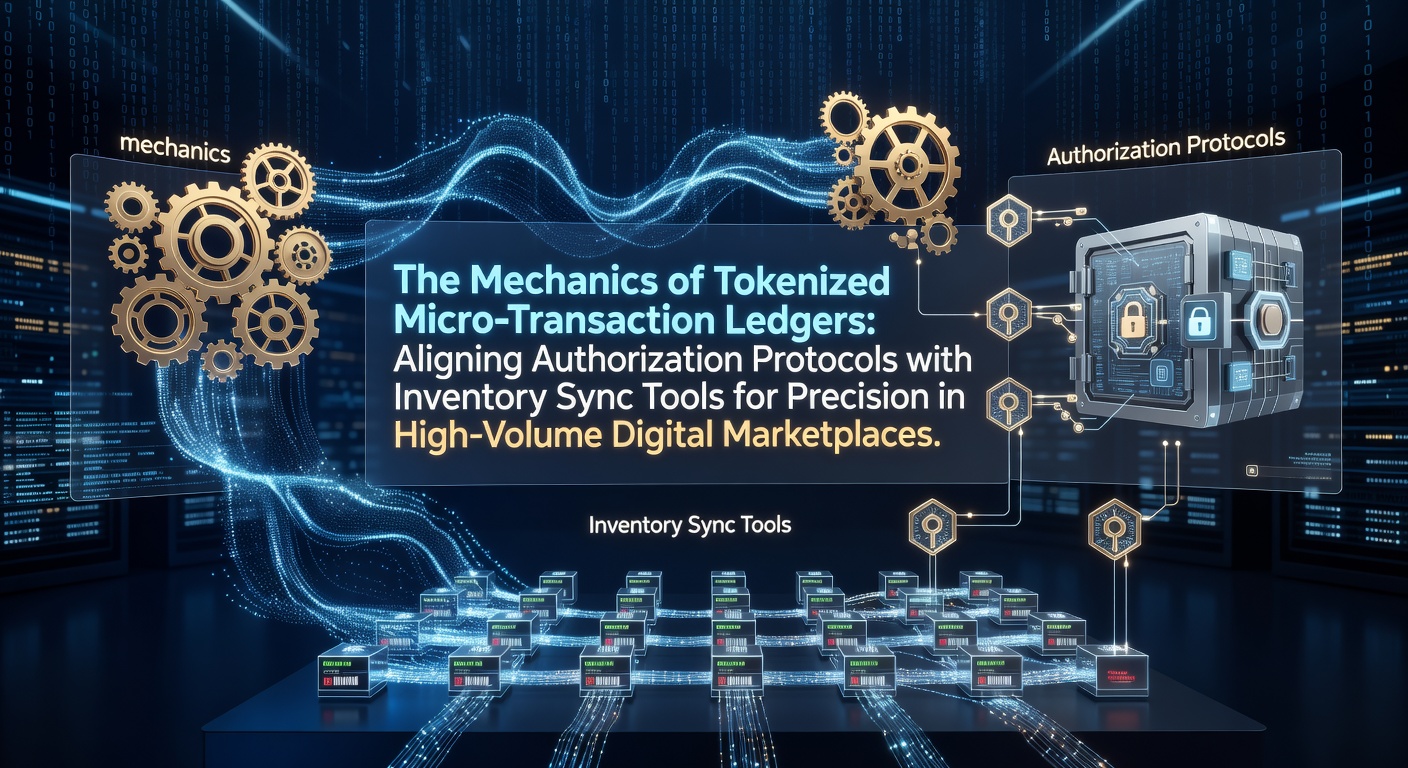
Tokenized micro-transaction ledgers operate by replacing sensitive payment data with unique digital tokens that represent small-value exchanges in digital marketplaces, and this approach supports high-volume environments where thousands of transactions occur each second. Authorization protocols verify each token against predefined rules before any transfer completes, while inventory sync tools update stock levels in real time to prevent overselling or mismatches between sales records and available digital goods.
Core Components of Tokenized Ledger Systems
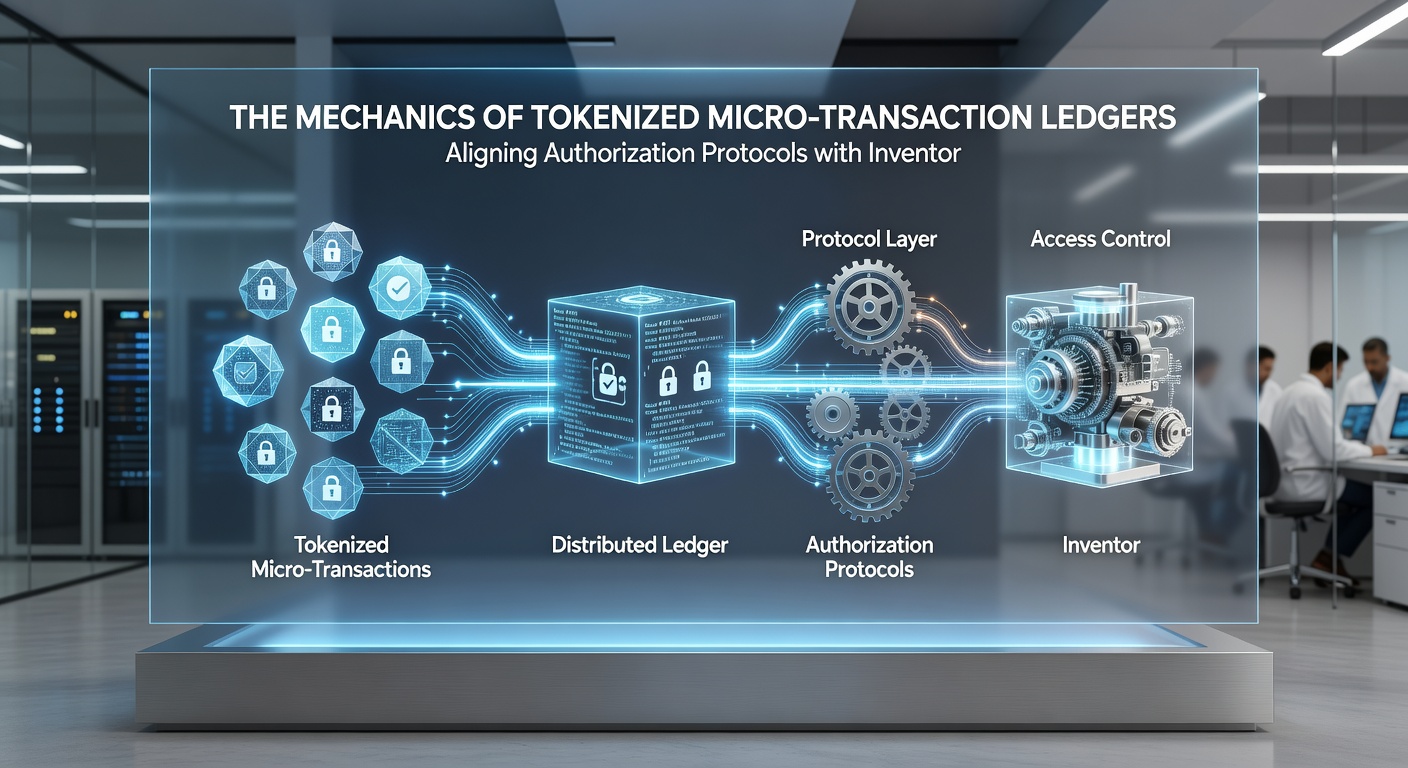
Each token contains encrypted metadata that specifies the transaction amount, merchant identifier, and expiration details, and these elements allow systems to process payments without exposing full account information. Data from payment network analyses shows that tokenization reduces the risk of data breaches because the actual card details never travel across multiple servers during routine operations. In practice, a marketplace handling virtual items pairs each purchase request with a fresh token that expires after a single use, and this method aligns with standards set by organizations focused on secure electronic commerce.
Inventory sync tools connect directly to these ledgers through application programming interfaces that push updates whenever a token authorizes a sale. Researchers at technical institutions have documented cases where synchronization delays of even a few milliseconds created discrepancies in high-velocity environments such as gaming platforms or streaming service add-ons. The alignment process ensures that once authorization succeeds, the corresponding inventory record adjusts automatically, and this linkage maintains accuracy across distributed databases that span multiple geographic regions.
Authorization Protocols and Their Integration Points
Modern authorization protocols incorporate multi-factor checks that include device fingerprinting, behavioral analytics, and token validation before approving micro-amounts, and these layers operate in sequence to balance speed with security. According to guidelines published by the National Institute of Standards and Technology, token-based systems must maintain separate channels for authentication data and transaction payloads to limit exposure. When these protocols interface with inventory tools, they trigger confirmation calls that verify sufficient stock exists before final ledger entry, and this step occurs within the same processing window that typically lasts under 200 milliseconds.
European regulatory frameworks, including updates referenced in reports from the European Securities and Markets Authority, have encouraged marketplaces to adopt such integrated controls by mid-2026 to support growing volumes of digital asset trades. One documented configuration routes authorization signals through a central ledger node that simultaneously queries the inventory database, and this dual-query method prevents situations where payment clears but the item no longer exists in the catalog. Observers note that successful implementations rely on event-driven architecture so that both systems react to the same trigger without manual reconciliation later.
Handling High-Volume Transaction Flows
High-volume digital marketplaces generate peaks exceeding 10,000 micro-transactions per minute during promotional periods, and tokenized ledgers manage this load by batching non-conflicting authorizations while processing inventory updates in parallel streams. Studies from academic centers tracking e-commerce infrastructure indicate that synchronized systems achieve consistency rates above 99.8 percent when token validation and stock checks complete within the same atomic operation. The mechanics involve a shared timestamp server that orders events so that an authorization cannot finalize until the inventory tool confirms availability, and this ordering eliminates race conditions that otherwise appear in unsynchronized setups.
Market operators often deploy these alignments across cloud regions to maintain uptime, and the underlying protocols include fallback mechanisms that reroute requests if one node experiences latency. Figures from industry monitoring services reveal that marketplaces adopting combined token and sync frameworks report fewer chargebacks related to undelivered digital goods, because the inventory record locks at the moment of authorization rather than after settlement. In June 2026, several platforms plan to roll out enhanced versions of these ledgers that incorporate machine-learning models to predict inventory demand and pre-authorize token pools during anticipated surges.
Technical Challenges and Measured Solutions
Latency remains a primary concern when linking authorization protocols with inventory tools across global networks, yet developers address it through edge computing nodes that cache token validation results locally while maintaining a single source of truth for stock levels. Research papers from engineering departments at major universities describe architectures where ledger entries use immutable logs, and inventory changes append as separate but linked records, allowing audits to trace every micro-transaction to its corresponding stock adjustment. This structure supports compliance requirements without slowing the core approval flow.
Token rotation schedules further reduce replay risks, and systems refresh keys at intervals measured in seconds rather than hours when transaction velocity climbs. Those who have examined production deployments report that the combination of short-lived tokens and immediate inventory sync creates a closed feedback loop, and any mismatch surfaces within the next processing cycle for automatic correction. Data collected by payment security consortia shows measurable declines in reconciliation errors after such alignments become operational.
Conclusion
Tokenized micro-transaction ledgers achieve precision in high-volume settings when authorization protocols and inventory sync tools operate as coordinated components rather than isolated modules. The technical linkages rely on encrypted tokens, real-time queries, and ordered event processing to maintain both payment security and stock accuracy. As marketplaces continue scaling through 2026 and beyond, these mechanics provide the foundation for reliable digital exchanges across diverse product categories and transaction frequencies.